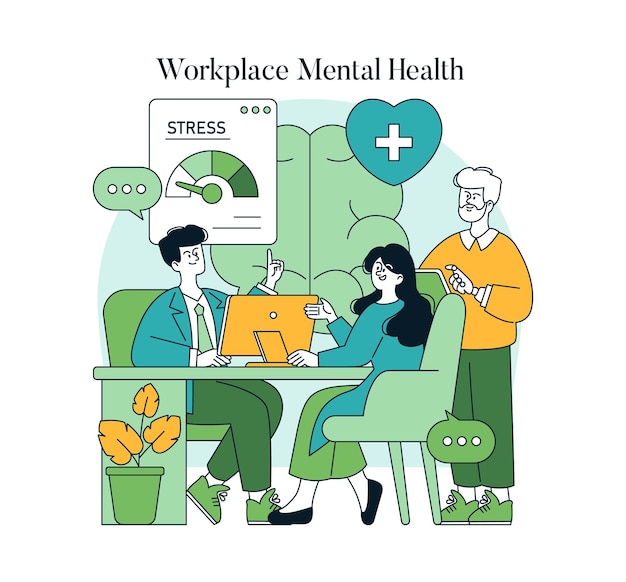
Future-Proofing Your Workplace: Innovative Mental Health Strategies
In today's rapidly evolving professional landscape, prioritizing employee well-being is no longer a perk—it's a necessity. Forward-thinking organizations recognize that a mentally healthy workforce is a productive and innovative workforce. Embracing innovative mental health strategies is critical for future-proofing your workplace and ensuring long-term success.
This involves moving beyond traditional approaches and implementing proactive, comprehensive programs that address the root causes of stress and burnout. This article explores effective strategies for cultivating a supportive and mentally healthy work environment. We'll delve into practical steps your organization can take to prioritize the well-being of your employees.
Understanding the Current State of Mental Health in the Workplace
The statistics surrounding workplace mental health are alarming. Stress, anxiety, and depression are prevalent, leading to decreased productivity, increased absenteeism, and higher healthcare costs. The impact of unaddressed mental health concerns extends beyond individual employees, affecting overall team morale and organizational performance.
Addressing the stigma surrounding mental health is paramount. Many employees fear judgment or discrimination if they disclose their struggles. Creating a culture of open communication and support is crucial for encouraging employees to seek help when they need it. This is where a dynamic approach, like incorporating a Mental Health Comedian for training, can help break down barriers and encourage conversation.
Innovative Strategies for Workplace Mental Health
Implementing innovative strategies can significantly improve employee mental well-being and create a more resilient workforce.
1. Prioritize Workplace Mental Health Education and Awareness
Investing in mental health training for all employees, including managers, is essential. Equip them with the knowledge and skills to recognize signs of distress in themselves and others. Training should also cover how to effectively communicate with colleagues who may be struggling. A powerful Suicide Prevention Speaker can offer real-life insights and strategies.
2. Implement Flexible Work Arrangements
Offer flexible work options such as remote work, flexible hours, or compressed workweeks. This allows employees to better manage their work-life balance and reduce stress related to commuting and rigid schedules. When possible, giving employees control over their work environment is invaluable.
3. Cultivate a Culture of Open Communication
Encourage open and honest conversations about mental health. Create safe spaces for employees to share their experiences without fear of judgment. Regularly check in with employees to gauge their well-being and offer support. Simple things like "how are you *really* doing?" can make a big difference.
4. Provide Access to Mental Health Resources
Offer comprehensive mental health benefits, including access to counseling services, employee assistance programs (EAPs), and mental health apps. Ensure these resources are easily accessible and confidential. Partner with organizations like SuicidePreventionSpeakers.com to bring in experts for workshops and keynotes.
5. Promote Mindfulness and Well-being Practices
Integrate mindfulness and well-being practices into the workplace culture. Offer meditation sessions, yoga classes, or encourage employees to take breaks throughout the day for mindful activities. Create quiet spaces where employees can de-stress and recharge.
6. Reduce Workplace Stigma Reduction Strategies
Actively combat the stigma associated with mental health. Share personal stories of resilience and recovery. Highlight the importance of seeking help and normalizing mental health challenges. Leaders should model vulnerability and openness to encourage employees to do the same.
7. Leverage Technology for Mental Health Support
Explore technology-based solutions for mental health support, such as virtual therapy platforms and AI-powered mental health chatbots. These tools can provide convenient and accessible support for employees who may be hesitant to seek traditional therapy.
The Role of Leadership in Fostering Mental Well-being
Leadership plays a crucial role in creating a mentally healthy workplace. Leaders must prioritize employee well-being and model healthy behaviors. They should be visible advocates for mental health, demonstrating their commitment to creating a supportive and inclusive environment. Consider training leaders in mental health first aid to equip them with the skills to effectively support their teams.
Need Help Addressing Workplace Mental Health?
Elevate awareness and foster resilience in your team with a Suicide Prevention Speaker.
Book a Speaker Today!Are you looking to make a real difference in suicide prevention? At SuicidePreventionSpeakers.com, we connect organizations, schools, and events with impactful speakers who share personal stories, evidence-based techniques, and foster hope. Unlike others, our speakers blend TEDx coaching with lived experience, creating genuine connection and inspiring action. We offer keynotes, workshops, and awareness campaigns. Let's start a conversation. Visit SuicidePreventionSpeakers.com to find the right voice for your audience.